

What fields is DingNuo Technology's microphone chip suitable for?
2025-04-14
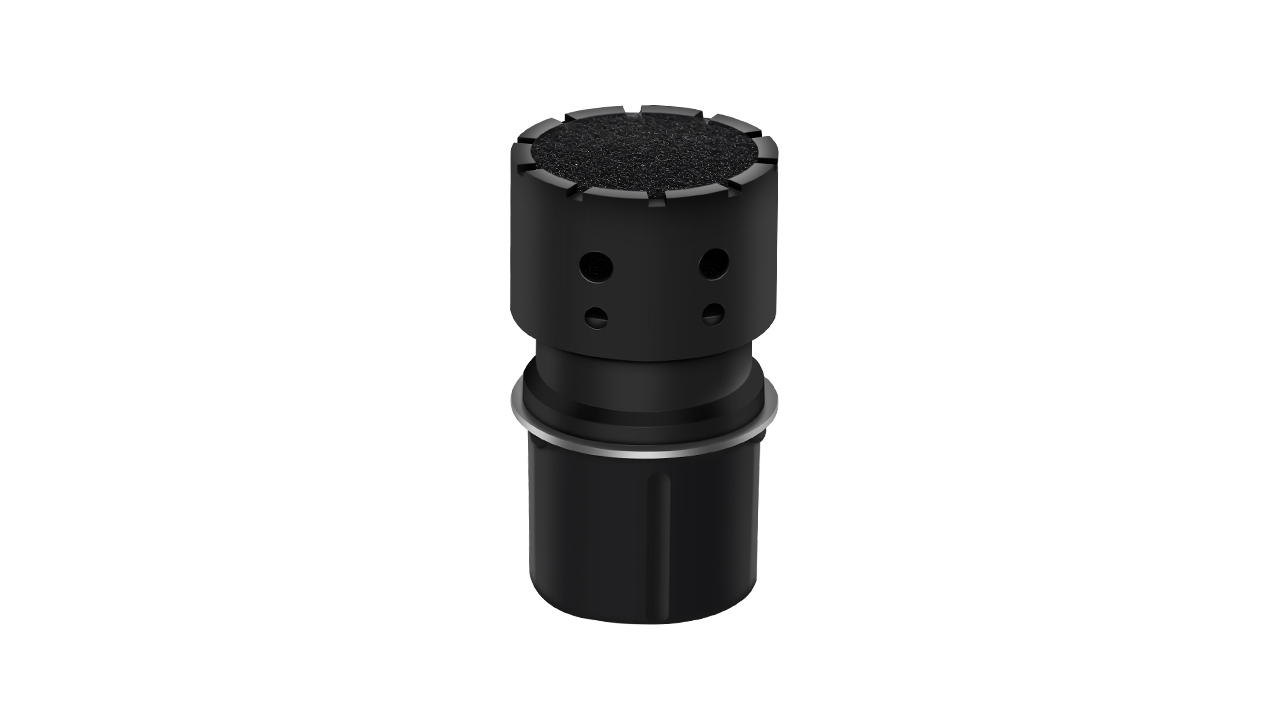
Currently, Ding Nuo Technology mainly researches and produces dynamic and condenser microphone cores, which account for over 70% of electromechanical products nationwide. Although both dynamic and condenser microphones are used for acoustic-electric conversion, their applicable scenarios differ. Below, we introduce their applicable scenarios based on the advantages and disadvantages of Ding Nuo Technology's dynamic and condenser microphone cores, as shown in the table below:
|
Type |
Advantages |
Disadvantages |
Applicable Scenarios |
|
Dynamic |
① No DC operating voltage required, easy to use; |
① Relatively low sensitivity, difficulty in capturing delicate sounds; |
In-vehicle music terminals, KTV entertainment, stage performances, home entertainment, live recording, work meetings, smart homes, etc. |
|
② Good directivity, low noise; |
② Struggles to pick up mid-range and high-frequency sounds; |
||
|
③ Can withstand extremely high boost voltage; |
③ Relatively poor frequency response range; |
||
|
④ Low environmental requirements; |
/ | ||
|
⑤ Unaffected by extreme weather (such as temperature, humidity); |
/ | ||
|
⑥ High cost-effectiveness. |
/ | ||
|
Condenser |
① High sensitivity; |
① Complex structure, expensive; |
Work meetings, live recording, professional singing, etc. |
|
② Excellent frequency response; |
② Requires a stable current supply; |
||
|
③ Small size, light weight. |
③ Fragile diaphragm, high storage environment requirements; |
||
| / |
④ High sensitivity, high requirements for the usage environment. |
As shown in the table above, some may find that dynamic and condenser microphones overlap in some application areas. That's right, if customers don't care about the sound experience and cost-effectiveness of the product, they can choose either dynamic or condenser microphones. If you are someone who pursues quality of life, then listen to what I have to say. The application scenarios of microphones are limited, but consumers' requirements for sound can be unlimited. Should you use dynamic or condenser? Specific situations require specific analysis. Users can also refer to the table above to choose their preferred microphone.
|
Type |
Price |
Quality |
Environmental Requirements |
Storage Requirements |
Lifespan |
|
Dynamic |
High |
A+ |
Extremely low requirements for the sound environment, almost negligible |
Store in a dry environment |
Durable, long lifespan |
|
Medium |
B+ |
||||
|
Low |
C+ |
Short |
|||
|
Condenser |
Extremely High |
A++ |
Extremely high requirements for the sound environment, as little extra noise as possible |
Requires professional storage, otherwise it will cause varying degrees of damage to the device |
Relatively short, the actual lifespan also depends on the storage method. |
|
Relatively High |
B |
High requirements for the sound environment |
|||
|
Low |
C- |
No environmental requirements |
No storage requirements |
Short |
Contact Information
No. 8 Gongye 4th Road, Encheng Sub-district, Enping City, Jiangmen City, Guangdong Province
Fax: +86-750-7187986






Online Message
Social Media


