

The current situation and trends of dynamic microphone core development
2025-04-14
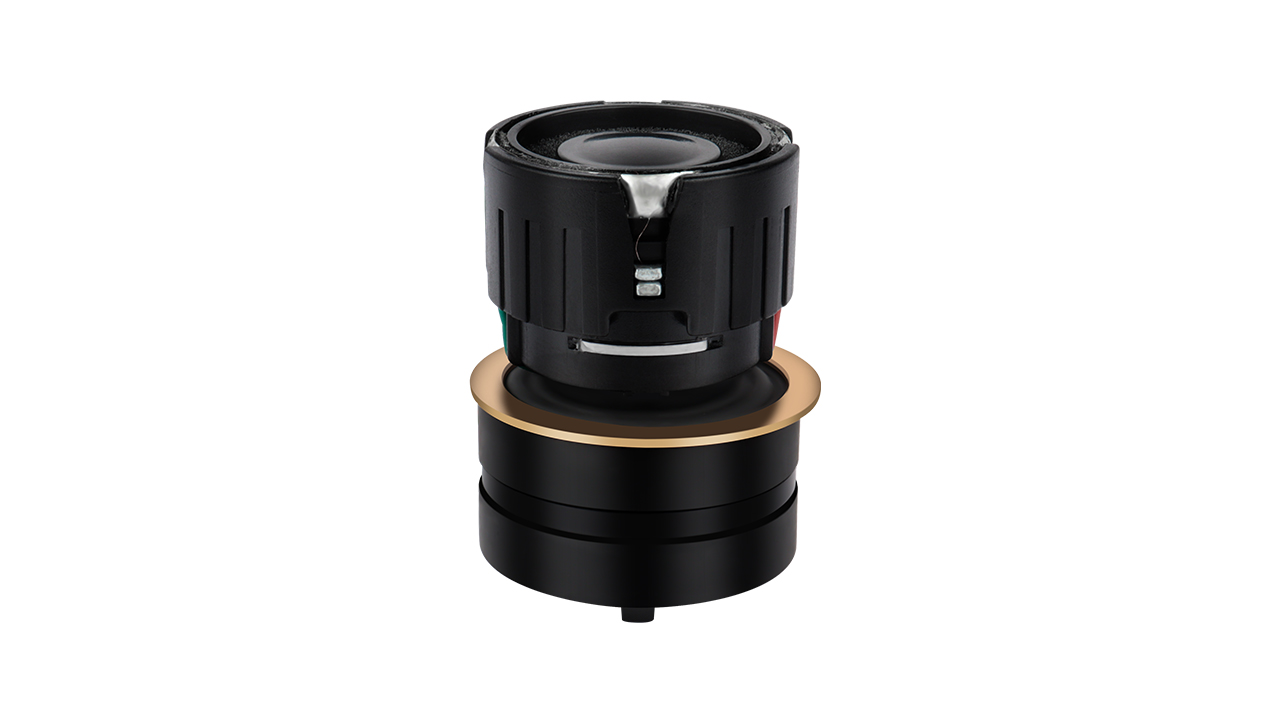
With the maturity of capacitor microphone technology and the expansion of its application fields, the market share of dynamic microphones is declining, especially in conference rooms and speech amplification scenarios. Following this trend, will condenser microphones threaten the future development of dynamic microphones? According to experts in the electroacoustic market, condenser microphones have not yet demonstrated the ability to replace dynamic microphones, and dynamic microphones still hold significant influence in the audio field. Furthermore, with the emergence of new consumption patterns, dynamic microphones have found new applications, such as in-car microphones and projector microphones.
Compared to condenser microphones, dynamic microphones may have limitations in sensitivity. However, with the development of electroacoustic technology in recent years, dynamic microphones have undergone significant improvements, especially in sensitivity and the pickup of high-frequency audio. Below, we will elaborate on the performance and function of dynamic microphones in various application areas, including stage performances, professional hosting, conference systems, and KTV entertainment.
① Stage Singing
Because dynamic microphones possess characteristics such as a hypercardioid polar pattern and proximity effect (low-frequency response sensitivity increases at close range), they can enhance the pickup of low-frequency sound signals during singing, resulting in a rich and full vocal reproduction. Secondly, the transducer heads of dynamic microphones specifically designed for singing generally use a specially designed suspension structure, which effectively minimizes hand-rubbing noise and other irrelevant vibrations; additionally, dynamic microphones also have a magnetic switch with an on/off switch lock plate to ensure stable operation. Therefore, condenser microphones are consistently outmatched by dynamic microphones in stage singing.
② Professional Hosting
Dynamic microphones are also widely used in wireless microphones, such as professional wireless microphones and handheld wireless microphones for presenters. Most wireless microphones use dynamic transducers.
Currently, the magnetic circuits of dynamic transducers mostly use high-performance magnetic materials, which reduces the weight of the transducer head and improves sensitivity; in addition, the vibration system uses a composite structure, which reduces the resonant frequency of the vibration system on one hand and enhances the rigidity of the diaphragm dome on the other, reducing high-frequency splitting vibrations, making the frequency response of the dynamic microphone smoother and extending both the upper and lower ends of the frequency response.
③ General Conference Systems, KTV Entertainment
Due to their strong environmental adaptability and easy connection to preamplifiers, dynamic microphones have significant advantages in general conference systems and KTV settings.
In addition to the above applications, dynamic microphones remain the dominant product in emerging areas such as in-car microphones and home theaters. Furthermore, due to the high cost of high-performance condenser microphones, dynamic microphones remain the leading product in the mid-to-high-end electroacoustic market.
As the longest-used transducer (microphone element), unless a new type of transducer appears that can completely replace the performance of a dynamic microphone, no other transducer can shake the position of the dynamic microphone in the microphone industry.
Contact Information
No. 8 Gongye 4th Road, Encheng Sub-district, Enping City, Jiangmen City, Guangdong Province
Fax: +86-750-7187986






Online Message
Social Media


