

Advantages and disadvantages of moving coil microphones, condenser microphones, electret condenser microphones, and wireless microphones
2025-04-14
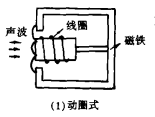
(1) Dynamic microphone element. When receiving sound waves, the dynamic microphone element relies on coil vibration to convert sound signals into electrical signals. Dynamic microphone elements are characterized by their simple structure, stable performance, and ease of use, but their sensitivity is lower than that of condenser microphones.
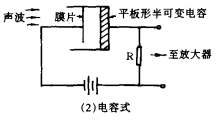
(2) Condenser microphone element. When receiving sound waves, the condenser microphone element relies on changes in capacitance to convert sound signals into electrical signals. Condenser microphone elements are characterized by their wide frequency range, high sensitivity, and good sound quality, but they require a polarization voltage and are susceptible to moisture.
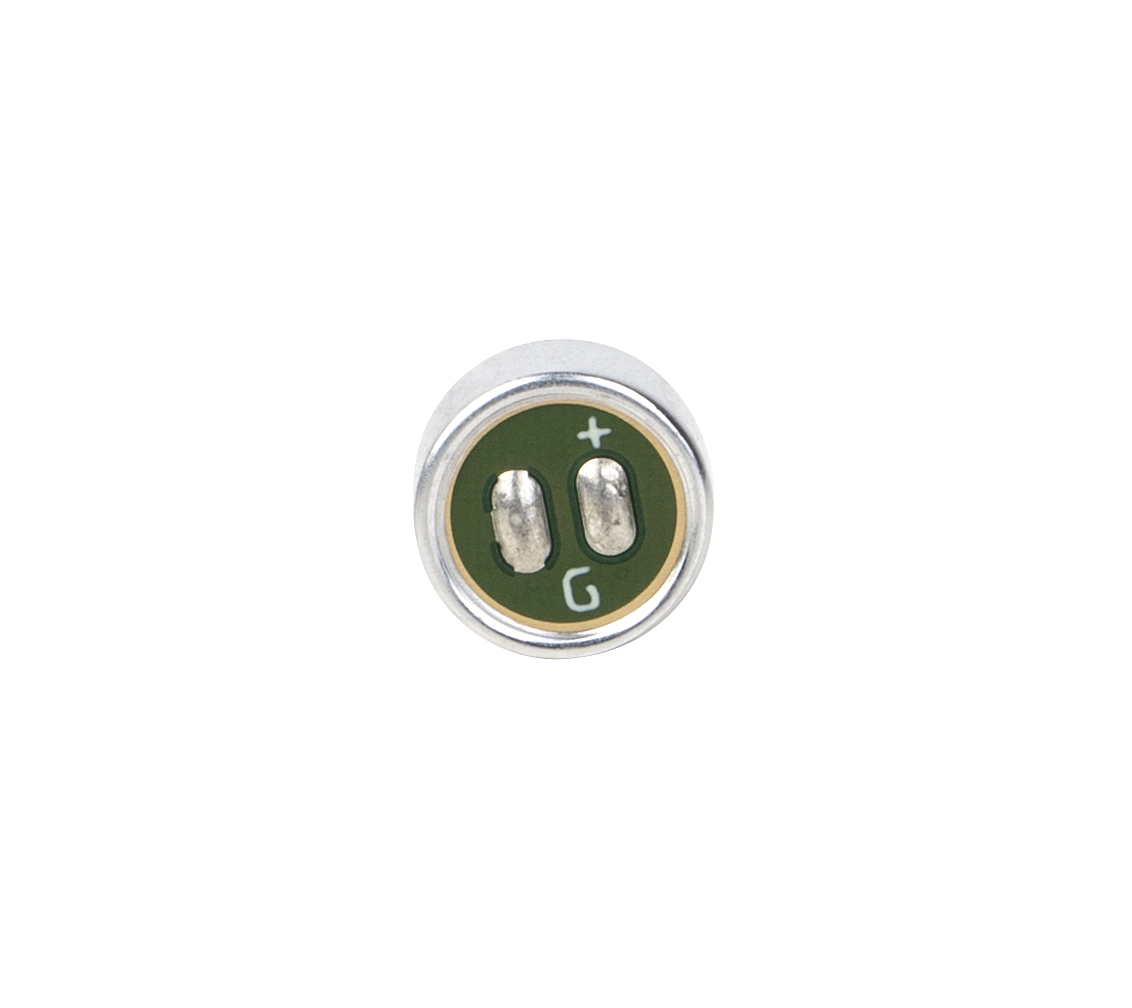
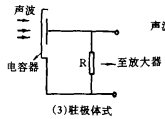
(3) Electret condenser microphone element: The principle of the electret condenser microphone element is similar to that of the condenser type; it does not require a polarization voltage. Its capacitor uses a high-polymer insulator to store a permanent charge. However, the electret microphone element contains a field-effect transistor (FET), which acts as an impedance transformer and voltage amplifier. The operating voltage of the field-effect transistor is supplied by a battery (generally 1.5V or 3V). Electret condenser microphone elements are characterized by their light weight, but they have a shorter lifespan.
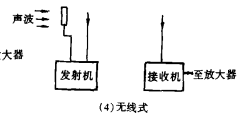
(4) Wireless microphone element: A wireless microphone element uses a transmitter to modulate the audio signal to a high frequency for transmission. The receiver then restores the modulated audio signal to an audio signal. Wireless microphone elements are characterized by their mobility, but their signals are susceptible to dropouts and frequency drift. Compared to wired microphone elements, wireless microphone elements are more susceptible to external interference. Therefore, wireless microphone elements need to be modulated in the UHF band of 400~900 MHz to avoid interference from FM waves and other external sources.
Previous:
Contact Information
No. 8 Gongye 4th Road, Encheng Sub-district, Enping City, Jiangmen City, Guangdong Province
Fax: +86-750-7187986






Online Message
Social Media


