

Three practical methods for diagnosing and repairing dynamic microphones
2025-04-14
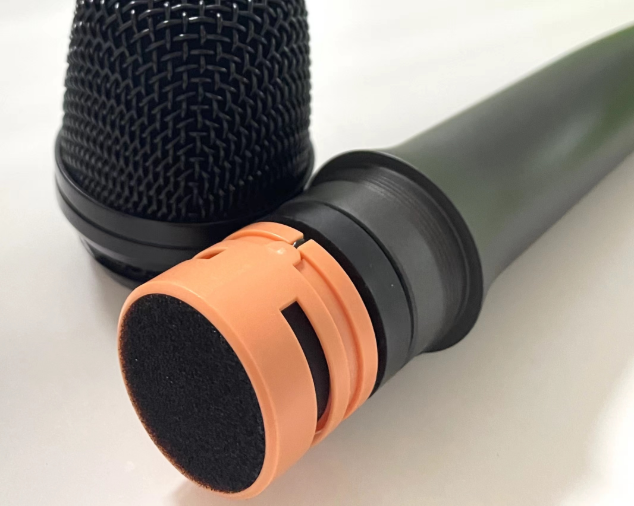
Below is a compilation of repair methods for dynamic microphones, which is very practical for microphone technicians and karaoke enthusiasts.
With the diversification of karaoke scenes, people can now sing anytime and anywhere. From commercial KTVs and home theaters to outdoor entertainment and in-car karaoke. Wherever it is used frequently, a microphone is prone to damage or malfunction. Microphone malfunctions are mostly manifested as sound distortion, low volume, or no sound, usually caused by collisions or drops, which can be repaired by oneself. Here are some specific manifestations of microphone malfunctions:
1) Microphone cable is broken. The microphone shows no sound, and the microphone is inoperative. Unscrew the microphone cover, and you can see two contact points on the microphone core connected to the lead. Microphones that have fallen from a height often show an open circuit here. Carefully solder the lead and contact points on the microphone core with a soldering iron.
2) Internal magnet or voice coil is misaligned. The microphone shows low volume, hoarseness, or a change in pitch. This type of fault generally cannot be repaired by disassembly; it is recommended to directly replace the microphone core, which is inexpensive and saves time and effort.
3) Poor contact at the switch or poor contact between the lead and the plug socket at the bottom of the microphone. The microphone shows intermittent sound, high noise, or no sound. For this malfunction, it is recommended to disassemble the microphone and make appropriate adjustments to the relevant parts to eliminate the malfunction. Depending on the actual situation, it is usually necessary to rewire or restore the elasticity of the spring leaf.
If none of the above malfunctions occur, but the microphone still does not produce sound, it is recommended to replace the microphone core. If replacing the microphone core does not help, then you can only purchase a more durable microphone.
Contact Information
No. 8 Gongye 4th Road, Encheng Sub-district, Enping City, Jiangmen City, Guangdong Province
Fax: +86-750-7187986





Online Message
Social Media


